Unregulated bridging finance
Unregulated Bridging Loans Somerset
Investment, BTL and commercial bridges across the County of Somerset. Decisions in hours, drawdown in days, terms 1 to 24 months.
- Decisions in hours
- Completion in days
- £100k to £25m
- Somerset specialists
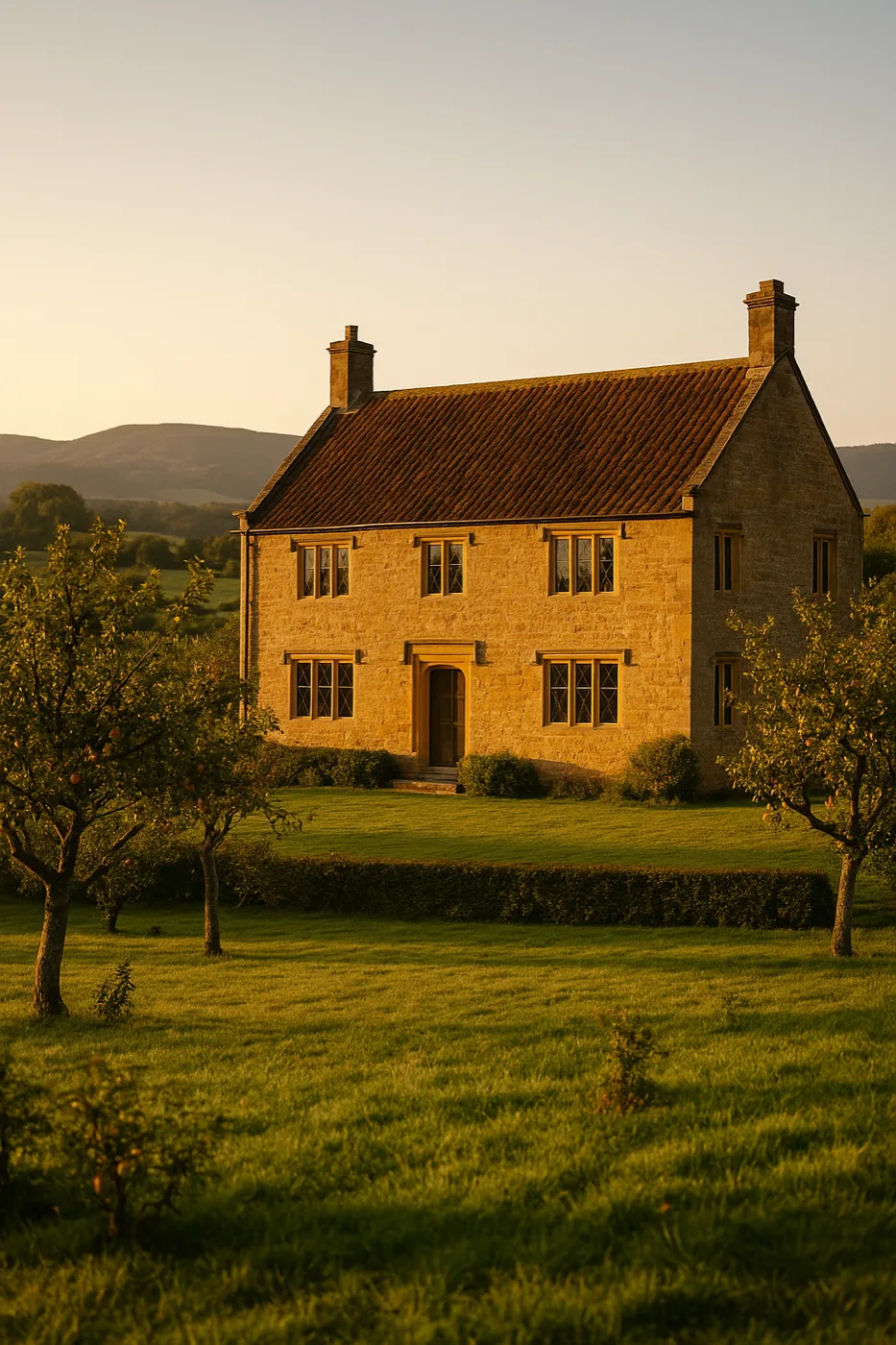
About unregulated bridging
Short-term property finance across Somerset and the South West.
Unregulated bridging is our core book. The Financial Conduct Authority does not regulate bridging where the security is investment property, commercial premises, buy-to-let or a refurbishment project, because the borrower is treated as a sophisticated party rather than a consumer. That regime gives the lender and broker room to move at speed. For landlords and property investors operating in Somersetshire, from the BTL stock around the University of Bath to the auction lots in Bridgwater and Yeovil, unregulated bridging is the product that pays for the next deal before the last one has stabilised.
Unregulated bridging fits property investors, small developers, established landlords, and limited companies holding property for income or capital appreciation. Typical Somerset borrowers run portfolios of 3 to 30 BTL units across Bath, Taunton, Yeovil and the wider county, or buy at auction with a refurbishment plan and a refinance route. It also suits owner-managed businesses raising short-term capital against premises near the Hinkley Point C admin offices in Bridgwater, the Leonardo Helicopters supply chain around Yeovil, or the Mulberry Group operations at Chilcompton and Shepton Mallet. The product is wrong for owner-occupier residential bridging, which sits under the FCA-regulated regime and goes via our regulated route instead.
A typical case
How a unregulated bridging case runs in Somerset.
A limited company landlord with 14 BTL units across Bath, Bristol fringe and Frome spots an HMO opportunity in Oldfield Park: an end-of-terrace freehold close to the University of Bath, vendor motivated, asking £475,000 against a likely £575,000 fully refurbished and let to students. The deal needs to complete in 6 weeks or the vendor walks. The landlord has equity in the existing portfolio but no liquid cash for the deposit and works. We package an unregulated bridge with **Roma Finance** against the Oldfield Park property at 70% of purchase price, with a separate facility from **Octane Capital** releasing additional funds against an unencumbered terrace in Twerton. Total facility £450,000 across two charges. Term 12 months, serviced interest, exit to a portfolio BTL refinance with one of the specialist HMO lenders. Indicative terms back in 24 hours, valuation in 8 working days, completion 14 working days after instruction. The borrower completes inside the vendor's window, runs the HMO conversion over 4 months, lets the rooms to a Bath student cohort, and refinances out at month 9. The bridge redeems on schedule. This pattern repeats every month across the Somerset student belt and into the Taunton, Bridgwater and Yeovil BTL sub-markets.
Rates and fees
What this product costs.
Unregulated bridging in the current South West England market prices between 0.65% and 1.25% per month. Standard investment cases on freehold residential security at 65% loan to value, with a clear refinance exit and a borrower track record, sit at the lower end of that band. Higher loan to value, shorter track record, less liquid security or weaker exit pushes the rate up. Heavy refurbishment and conversion work generally prices above 1.0% per month. The arrangement fee runs 1.5% to 2.0% of the loan, added to the facility. Valuation fees vary by property type: a standard terrace in BA2 might cost £600, a commercial mixed-use block in central Bath closer to £2,500, a rural property on the Quantock fringe slightly more given the travel time on the surveyor. Legal fees both sides are borrower-paid, typically £1,500 to £4,000 per side. Most unregulated products carry no exit fee. We never quote a case as fee-free.
Loan size and term
LTV ceiling and how long you borrow for.
Maximum loan to value on standard unregulated investment bridging is 75% against open market value, with most cases settling at 65% to 70%. Day-one loan to purchase can be higher where the property is materially below market value, often up to 85% of the purchase price if the open market valuation supports it. Terms run from 1 month to 24 months. Most Somerset clients use a 9 to 12-month facility for refurbishment and refinance, or a 3 to 6-month facility for straightforward purchase and resale. Auction-driven cases use 12 months as standard to give the refurbishment and BTL refinance a clean run.
Exit options
How the loan redeems.
Unregulated bridging has four main exit routes. First, refinance to a long-term BTL mortgage once the property is let and seasoned. Second, refinance to a commercial investment mortgage for mixed-use or pure commercial security. Third, sale on the open market, particularly where the borrower has refurbished and intends to flip. Fourth, sale of an associated asset such as another property in the portfolio. Lenders want a credible primary exit and a credible backup. A borrower whose only exit is a refinance with one named lender on contingent income looks weaker than a borrower with a refinance lined up plus a saleable backup property in central Bath, Taunton town centre or the Wells city core.
What makes a deal work
The clean cases.
Clean cases run on three things: realistic valuation, credible exit, and a borrower with a coherent track record. A landlord with 8 stabilised BTLs across BA2, BA5 and TA1, a 70% LTV against a Taunton terrace, and a portfolio refinance offer already on the table is the textbook clean case. Cases also strengthen where the security sits in a liquid Somerset postcode with strong rental demand. The University of Bath student belt around Oldfield Park, Twerton and Combe Down values predictably. Family-housing belts in Yeovil, Bridgwater and Taunton run on steady BTL evidence. Limited company SPV structures with clear shareholding work well; partnerships work less well unless the partners are joint borrowers. Conventional Bath stone, brick and rendered construction underwrites easily.
What doesn't
Where cases break.
Cases fail where the borrower has no track record and no clear exit, where the property is in a thin or atypical micro-market deep in rural Somerset with no comparable evidence, where construction is non-standard, or where the refurbishment scope is materially understated. Auction valuations that overshoot independent comparables also kill cases at the survey stage. Listed property in the Bath conservation area sometimes triggers additional underwriting questions. We will not progress a case where the maths require everything to go right; we want headroom on the exit.
Our process
From first call to drawdown.
Step one, a 20-minute call with us. Bring the property, the deal, the equity, the exit, and the timeline. Step two, we package the case and put it to three or four lenders depending on the brief. Indicative terms back inside 24 hours. Step three, valuation instructed alongside legals. Step four, full credit at the lender, typically 3 to 5 working days. Step five, drawdown into the borrower's solicitor, with funds released on completion of the purchase or refinance. Standard timeline from triage to drawdown is 10 to 21 working days. Auction-driven cases compress that to 5 to 10 working days using title insurance and a streamlined valuation. Unregulated bridging on commercial and investment property is not FCA-regulated. We are not directly authorised by the Financial Conduct Authority; we work with FCA-authorised partners for regulated lending.
Talk to us
Tell us about the deal.
A quick triage call, then indicative lender terms inside 24 hours. We work Somerset and across Somerset.
FAQs
Frequently asked questions on unregulated bridging
What is the difference between regulated and unregulated bridging?
+
Regulated bridging is FCA-supervised consumer lending against a home you or an immediate family member occupy. Unregulated bridging is non-consumer lending against investment, commercial or BTL property. The regulated regime is slower because of FCA process requirements; the unregulated regime is faster and more flexible because the borrower is treated as a sophisticated party. Most of our Somerset investor clients sit in the unregulated regime.
Can I bridge a limited company purchase in Somerset?
+
Yes. Limited company SPV structures are standard on unregulated bridging across the county. The lender takes a first charge against the property and a debenture against the company. Personal guarantees from the directors are standard, and we negotiate the cap on guarantees case by case. Most of our investor clients hold property through limited companies for tax efficiency, and lenders are well used to that structure across Bath, Taunton, Yeovil and the wider Somerset BTL market.
Can unregulated bridging fund refurbishment works as well as the purchase?
+
Yes. Most unregulated bridges include a works facility that draws down in stages against work completed and signed off by the lender's monitoring surveyor. For light refurb in Taunton or Yeovil, the works facility is often released in two or three tranches. For heavy refurb and HMO conversion in the Bath student belt or change-of-use cases in Bridgwater, expect a more structured drawdown over four or five stages.
Next step
Talk to a Somerset bridging specialist about unregulated bridging.
Indicative terms in 24 hours. We work unregulated bridging cases across Somerset and the wider Somerset market on a same-day enquiry response.