Refurbishment bridging finance
Refurbishment Bridging Loans Somerset
Light, medium and heavy works finance for Somerset investors and small developers. Purchase plus works facility, drawdown against signed-off stages, exit to BTL or open-market sale.
- Decisions in hours
- Completion in days
- £100k to £25m
- Somerset specialists
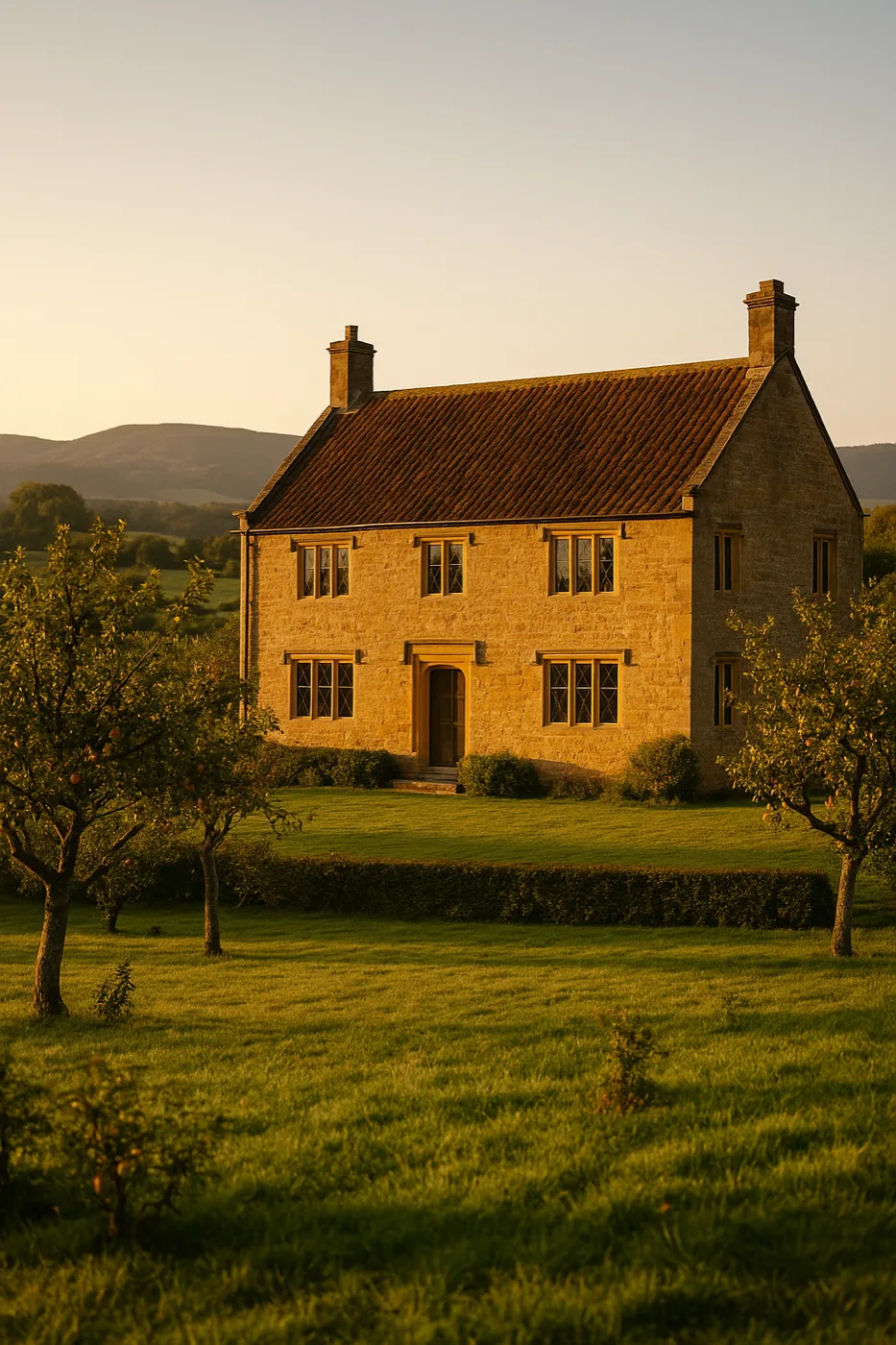
About refurbishment bridging
Short-term property finance across Somerset and the South West.
Refurbishment bridging covers the spectrum from cosmetic light works through layout-changing medium refurb to structural and planning-driven heavy refurb. The product funds the purchase and the works as one facility, with the works drawdown released in tranches against stages signed off by the lender's monitoring surveyor. For Somerset landlords and small developers operating across the Bath student belt, the Taunton and Yeovil family-housing stock and the older terraces around Bridgwater and Frome, refurbishment bridging is the bread and butter of the buy-refurbish-refinance model. Bath stone construction, brick terraces and rendered cottages all underwrite confidently with the right valuer.
Refurbishment bridging suits property investors and small developers running a buy-refurbish-refinance model, established landlords adding stock and value, and limited company SPVs converting single dwellings to HMOs in the Bath student belt. The product fits cases where the property needs more work than a mainstream BTL lender will fund on day one, but where the refurbished value supports a clear refinance exit. It is the wrong product where the works are cosmetic and the borrower could fund them from cash, and the wrong product where the works are so extensive that they cross into ground-up development territory. Across the County of Somerset we see the full spread, from light cosmetic refresh in Yeovil to layout-changing HMO conversion in Bath to heavy structural work in the older Bridgwater terraces.
A typical case
How a refurbishment bridging case runs in Somerset.
A landlord with 6 existing BTLs across Taunton and Bridgwater buys a tired three-bed Victorian terrace in Yeovil for £215,000 against a £290,000 post-refurb value. The works run to about £45,000: full rewire, new bathroom and kitchen, layout reconfiguration to create a four-bed configuration suitable for a sharer let serving Yeovil College and the Leonardo Helicopters supply-chain workforce. Total facility £215,000 purchase plus £45,000 works equals £260,000, with the works drawn in three tranches at 30%, 60% and 100% completion. The bridge sits with **Roma Finance** at 70% of purchase plus 100% of works against a 75% loan to value ceiling on the refurbished open market value. Rate 0.95% per month, term 12 months, serviced interest, exit to a single-property BTL refinance at month 9. The landlord runs the works over 14 weeks, lets the property at £1,250 per month, seasons the tenancy for 3 months, and refinances out on schedule. Similar work patterns recur across Taunton, Bridgwater, Frome and the older terraces around Bath. Heavier conversion work in the Oldfield Park HMO market sits at the medium-to-heavy end of the same product.
Rates and fees
What this product costs.
Refurbishment bridging prices between 0.75% and 1.5% per month depending on the depth of works, the loan to value, and the borrower's track record. Light refurb on a clean residential terrace at 65% loan to value with a known borrower sits at the lower end, typically 0.85% to 1.0% per month. Medium refurb involving layout change or HMO conversion sits at 0.95% to 1.2%. Heavy refurb with planning, structural change or change of use sits at 1.1% to 1.5%. Arrangement fees run 1.5% to 2.0% of the total facility. Valuation fees vary by complexity, typically £600 to £2,500 for residential refurb cases across the Somerset postcodes. Quantity surveyor and monitoring surveyor fees apply on medium and heavy refurb cases, typically £500 to £1,500 per drawdown stage. Borrower and lender legal fees of £1,500 to £4,000 per side. No exit fee on most products.
Loan size and term
LTV ceiling and how long you borrow for.
Refurbishment bridging typically funds 70% to 75% of the day-one purchase price plus 100% of the works costs, with the combined facility capped at 70% of the gross development value or refurbished open market value. Some lenders offer up to 75% of GDV on light refurb cases with strong exits. Terms run 6 to 18 months, with most Somerset cases using 12 months to allow time for works, stabilisation, and refinance. Heavy conversion projects in Bath or Bridgwater sometimes run to 18 months to give planning and works programmes a realistic window.
Exit options
How the loan redeems.
Refurbishment bridging exits split three ways. First, refinance to a long-term BTL mortgage once the property is refurbished, let, and ideally seasoned for 3 to 6 months. Second, refinance to an HMO product for converted multi-let properties in the Bath student belt or the professional-let belts of Taunton and Yeovil. Third, open-market resale for refurb-and-flip projects. Lenders want a clear primary exit with realistic comparables for the refurbished value, and a credible backup. A borrower whose refinance assumes a 6.5 yield in a postcode where 5.5 is the prevailing figure will struggle to get the case approved.
What makes a deal work
The clean cases.
Refurbishment cases run cleanly with a realistic refurbishment scope, a costed schedule of works, a builder lined up with prior experience on similar Somerset stock, and a credible exit. Borrowers with 3 or more completed refurbs already in the portfolio underwrite quickly. Cases also strengthen where the property is in a liquid Somerset postcode, where the refurbished value is supported by recent comparable sales in the same street or sub-area, and where the borrower has skin in the game on the deposit and works contingency. Bath stone properties value reliably given the conservation premium; brick and rendered stock in Taunton and Yeovil reads as a known quantity.
What doesn't
Where cases break.
Cases break where the works scope is understated, where the borrower has no refurb track record and underestimates contingency, where the refurbished value assumption is more optimistic than the market supports, or where the works cross into structural and planning territory that the borrower has not budgeted for. Listed Bath stone property in the conservation area sometimes triggers heritage-officer conditions that lengthen the works programme. Cases also fail where the borrower expects the lender to fund 100% of the costs with no equity input; even on strong cases the lender wants meaningful contribution.
Our process
From first call to drawdown.
Step one, a triage call. Bring the property, the schedule of works, the costed builder quote, the assumed refurbished value, and the exit strategy. Step two, we package the case and put it to three or four lenders with the right appetite for the works depth. Indicative terms back inside 24 hours. Step three, valuation and quantity surveyor instructed in parallel with legals. Step four, full credit at the lender, typically 5 to 7 working days for refurb cases. Step five, drawdown of the purchase tranche, with works tranches released against stage sign-off. Standard timeline from triage to first drawdown is 14 to 21 working days. Refurbishment bridging on investment property is not FCA-regulated. We are not directly authorised by the Financial Conduct Authority; we work with FCA-authorised partners for regulated lending.
Talk to us
Tell us about the deal.
A quick triage call, then indicative lender terms inside 24 hours. We work Somerset and across Somerset.
FAQs
Frequently asked questions on refurbishment bridging
How are the works funds released across a Somerset refurb bridge?
+
Works funds release in tranches against stages signed off by the lender's monitoring surveyor. Light refurb cases typically use two or three tranches; medium refurb cases use three or four; heavy refurb cases use four or five. Each tranche is released within a few working days of the surveyor's stage report. The borrower funds the gap between paying the builder and the next drawdown landing, which is why a healthy works cashflow buffer matters on every refurb case across Bath, Taunton and Yeovil.
Can refurbishment bridging fund HMO conversion in the Bath student belt?
+
Yes. HMO conversion across Oldfield Park, Twerton, Combe Down and the University of Bath catchment is one of the higher-volume refurb cases we package. The lender needs the planning position clear at the start, ideally with the conversion either permitted development under the local framework or with the planning consent already granted. Where Article 4 directions apply and an HMO planning application is required, the bridge can fund the works contingent on the planning outcome, but the loan structure changes to reflect the planning risk.
What if the works overrun on the refurbishment bridge?
+
Most lenders allow a modest overrun on works budget, typically up to 10%, funded from the contingency built into the facility. Larger overruns require a facility variation, which we negotiate with the lender. Time overruns up to the original term are not normally an issue. Time overruns beyond the original term require an extension, which typically prices at the original monthly rate plus a small extension fee. Plan the works budget with a 10% to 15% contingency and you should not need a variation.
Next step
Talk to a Somerset bridging specialist about refurbishment bridging.
Indicative terms in 24 hours. We work refurbishment bridging cases across Somerset and the wider Somerset market on a same-day enquiry response.